Trauma
How I can help you find your way…
Trauma can leave a lasting imprint, not just in your memories, but in how you feel day to day. You might find yourself constantly on edge, overwhelmed by emotions, or disconnected from yourself or others. At times, it can feel confusing or even frustrating, especially if you’re not sure why certain feelings or reactions keep showing up.
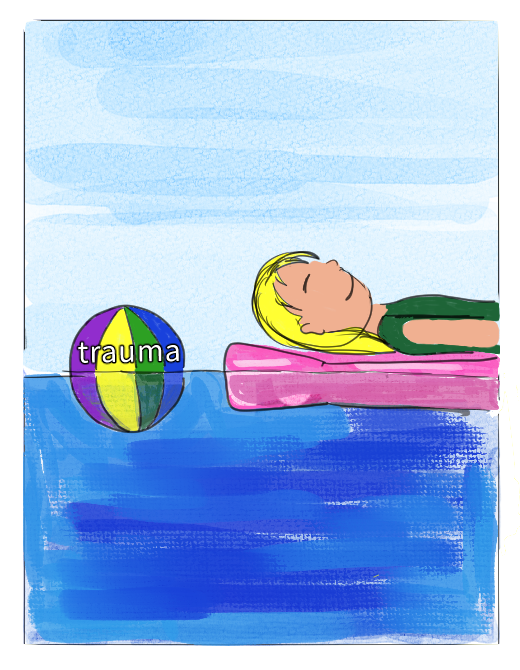
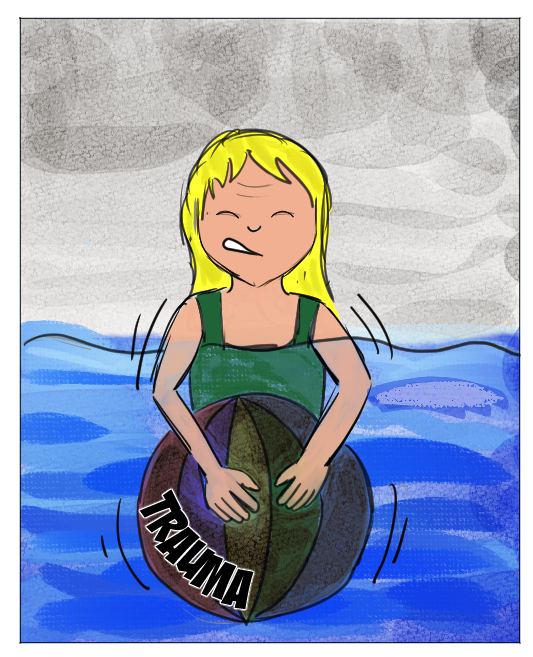
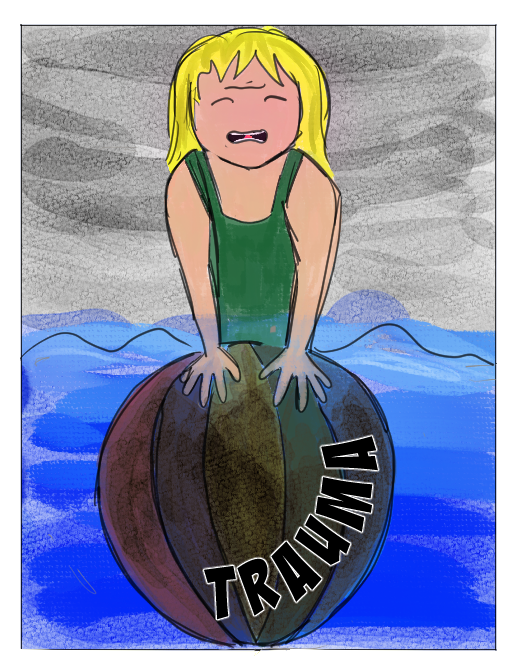
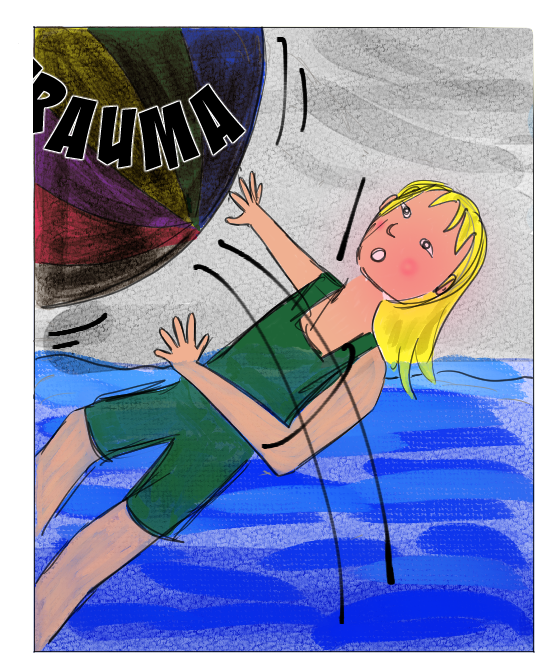
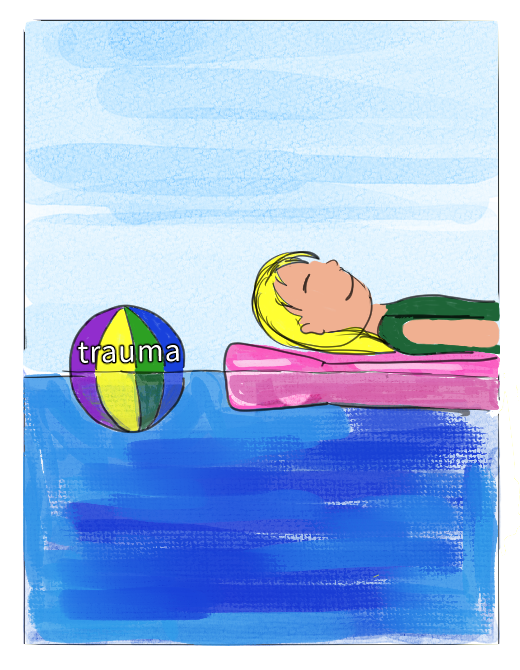
It can feel like no matter how much you try to push away the difficult memories, the more they affect you. I sometimes liken it to trying to hold a beach ball under the water - keeping traumatic memories at bay takes a lot of energy and they then bounce back up in your face bigger and more impactful than ever. Therapy can take the heat and distress out of these memories
Trauma therapy isn’t about reliving everything in detail, it’s about helping you feel safer in yourself, and more able to move forward with your life.
You do not need a diagnosis to seek support, if something feels difficult or overwhelming, that is enough. You might notice:
Persistent anxiety or feeling “on edge”
Flashbacks where it feels like the trauma is happening again, right now
Difficulty trusting others
Trying to avoid people or places that remind you of the event
Emotional numbness or disconnection
Sleep problems or nightmares
Guilt, shame or self-blame
These are not signs of weakness, they are normal, natural responses to overwhelming experiences.

Our work together can support you to:
Feel heard and understood
Understand how trauma affects the mind and body
Learn ways to feel more in control and more grounded
Reduce the intensity of the distressing memories
Reduce the impact that the trauma has on your everyday life
Have more practical ways to manage when memories distress you
Improve your relationships with those around you
Adjust to changes in identity, work, and daily life impacted by trauma
Free up energy to do more of what you enjoy
Feel more like yourself again

What to expect in therapy
I adapt therapy to what feels right for you, going at your pace.
Developing ways to manage overwhelming feelings always comes first, so you feel more able to cope in everyday life and as we proceed with the therapy.
Alongside other trauma therapies, I may integrate EMDR (Eye Movement Desensitisation and Reprocessing), an evidence-based, well-researched approach that helps the brain process and make sense of traumatic experiences.
EMDR doesn’t require you to go into long, detailed descriptions of the past. Instead, it works gently with how memories are stored in the brain, helping them feel less overwhelming over time. Like the beach ball, the memories are stored away, symptoms of trauma reduce, calm can be found, and you can find a way forward.
Everything we do is guided by what feels manageable for you.